
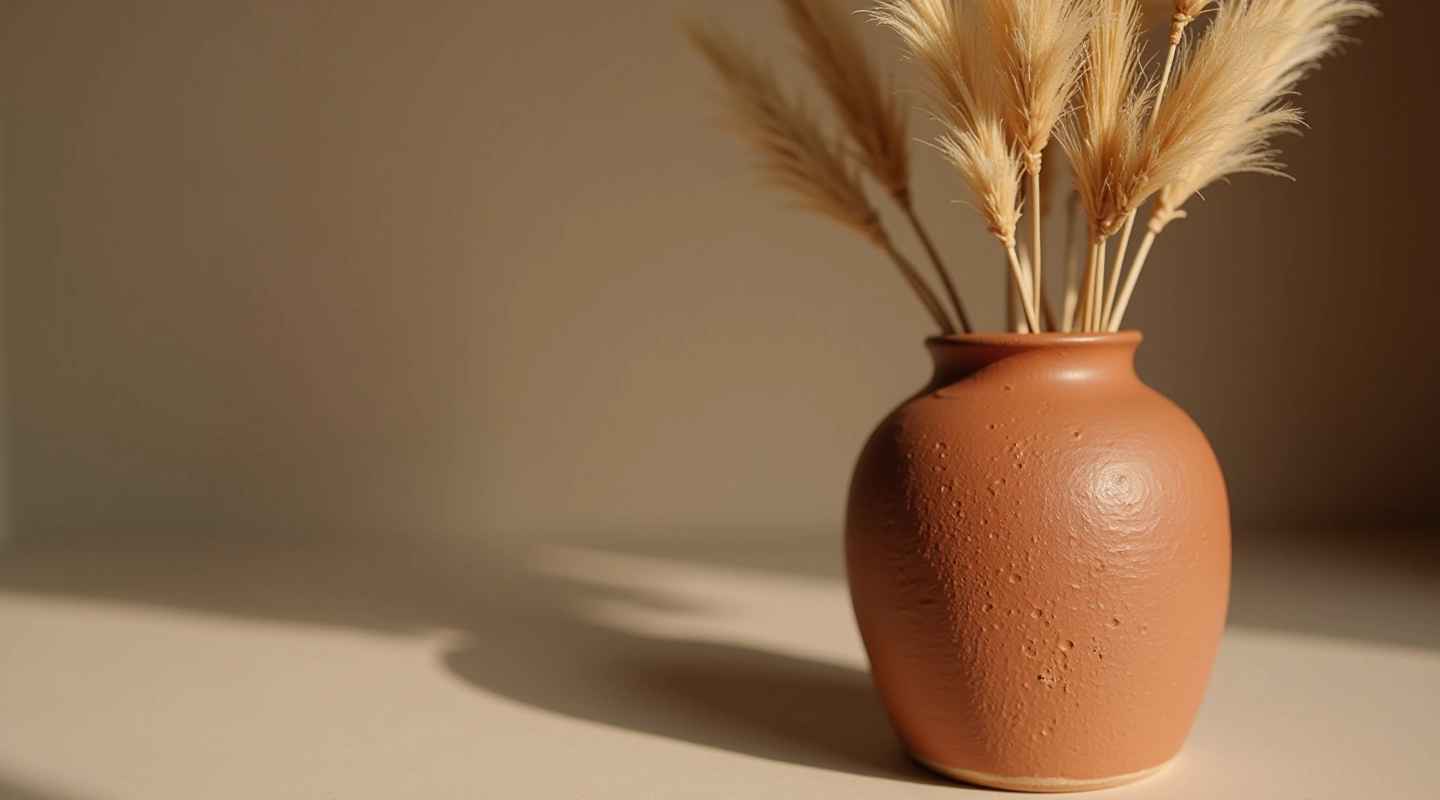
Ceramic Vase Crafting: From Clay to Finished Piece
Explore the traditional hand-throwing techniques used by kormcroft ceramicists.
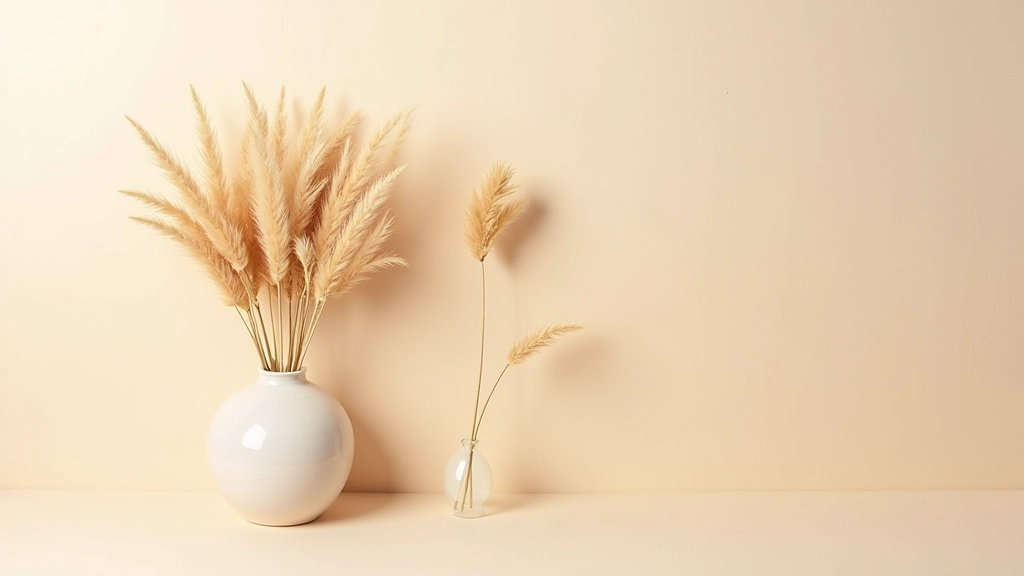
Not all dried reeds are the same. We break down pampas varieties, stem thickness, and how to choose reeds that last longer.
When you're shopping for dried reeds to pair with your ceramic vases, the differences matter more than you might think. Stem quality, variety selection, and storage conditions all affect how long your arrangement stays beautiful. This guide walks you through what to look for.

Author
Written by the kormcroft Editorial Team, focused on honest, practical information about handmade ceramics and dried reed décor.
Pampas grass dominates the dried reed market, and for good reason. It's reliable, holds color well, and works with almost any décor style. But there's actually more variation here than most people realize.
Natural white pampas is the classic choice. You'll see it everywhere because it's versatile. The plumes stay fluffy for months if kept away from direct sunlight and humidity. We're talking 12-18 months of looking fresh, sometimes longer.
Then there's dyed pampas — cream, blush, grey, even deep burgundy tones. The dyes used in quality batches don't fade quickly. Cheaper versions? They'll lose color in 3-4 months, especially if near a sunny window.
Pro tip: Dyed pampas holds color longer when stored in a cool, dark place. Temperature swings and direct light fade even good dyes.
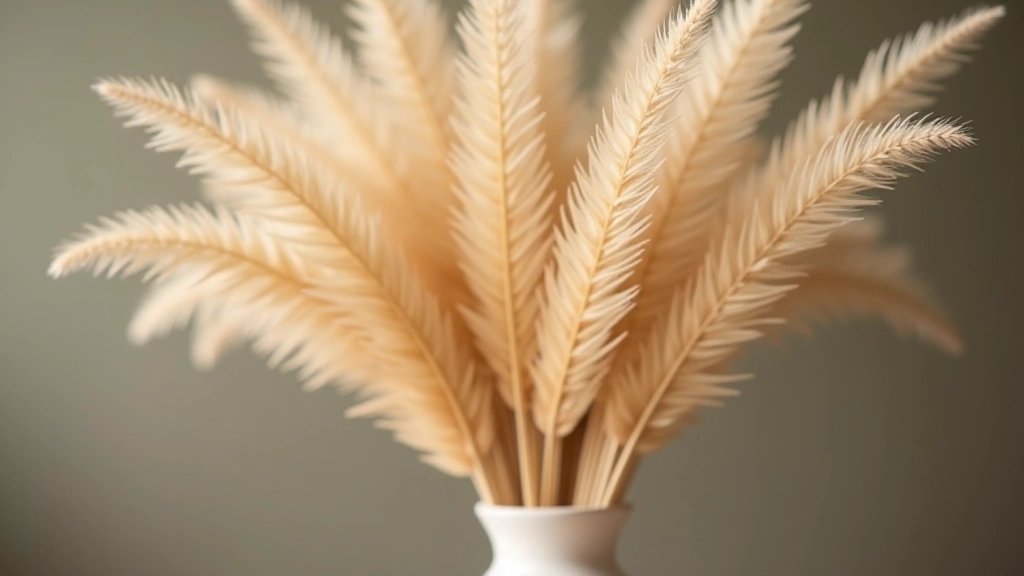
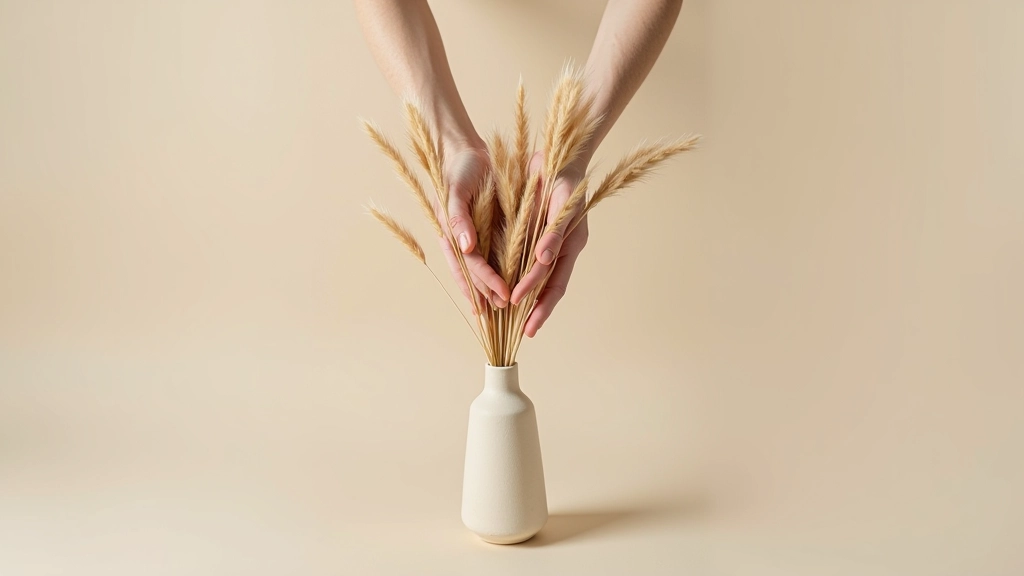
Here's where a lot of people get it wrong. They assume all pampas stems are the same thickness, but they're not. Quality matters at the source.
Premium pampas has stems that are about 4-6mm in diameter at the base. They're sturdy enough to stand upright in a vase without support, and they don't snap when you're arranging them. Budget pampas? Often 2-3mm, brittle, and the plumes fall apart within weeks.
The thicker stems also dry more evenly. Thin stems develop weak points where they dry unevenly, creating stress fractures that break later. You'll notice this when you're handling them — premium reeds feel substantial, not fragile.
Pampas dominates, but there's a whole world of other dried reeds that work beautifully with ceramic vases. Each has its own character.
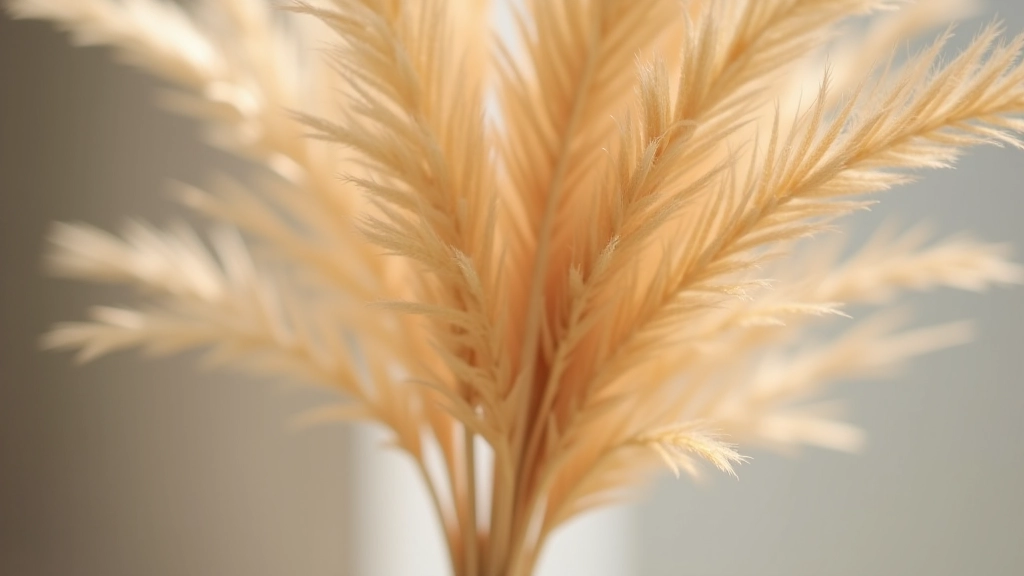
Miscanthus grass gives you a finer, more delicate look. The plumes are smaller and feathery, almost wispy. It's fantastic for minimalist arrangements and pairs well with narrow-necked vases. The downside? It sheds a little more than pampas, so don't brush against it too much.
Cortaderia selloana — that's the botanical name for certain pampas varieties — produces denser plumes that hold their shape for years. It's pricier but worth it if you want something that'll stay looking fresh for 18-24 months.
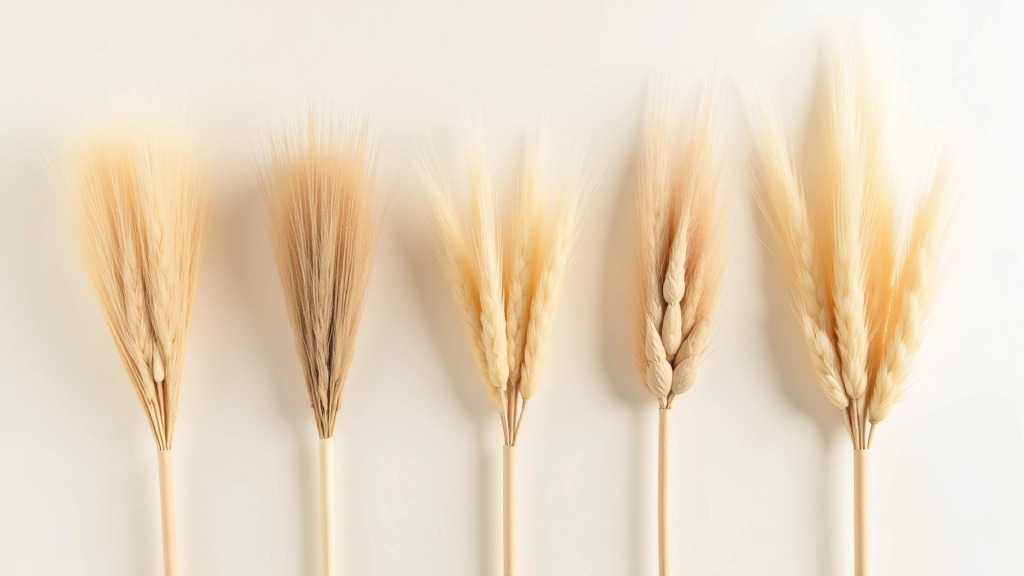
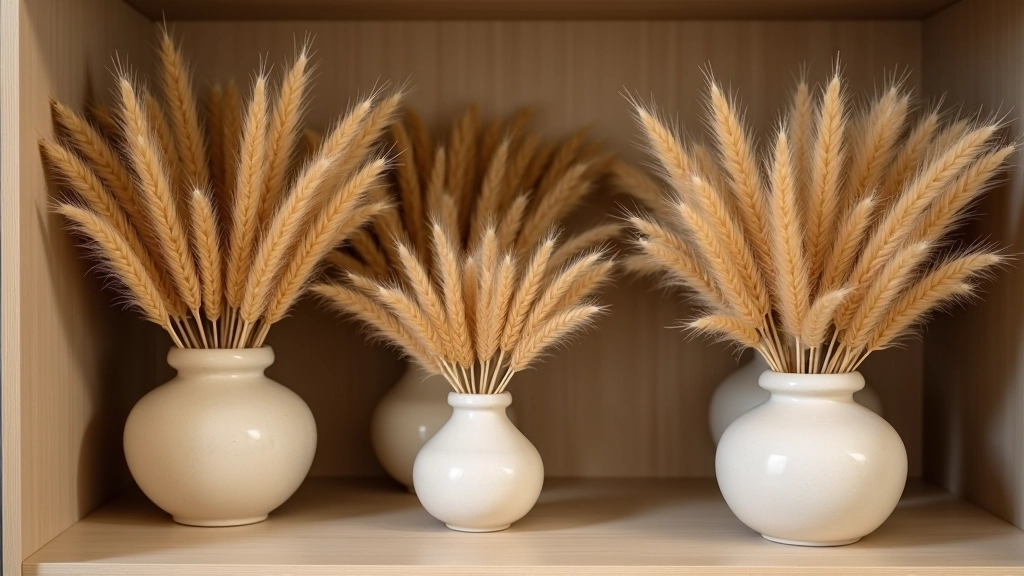
Dried wheat and barley stems add texture and a warm, earthy tone. They're typically thinner (2-3mm) but incredibly long-lasting. The golden color doesn't fade, and they complement warm-toned ceramic vases perfectly.
You can buy the highest-quality pampas available, but if it's been sitting in a humid warehouse for 6 months before it reaches you, it won't last as long. Storage conditions before purchase matter.
Quality suppliers store dried reeds in climate-controlled environments — cool and dry. Humidity causes the stems to absorb moisture, which weakens them. Temperature fluctuations create micro-cracks in the stems. That's why premium reeds sometimes cost 30-40% more. They've been handled properly from harvest to your hands.
Once you get your reeds home, keep them away from bathrooms and kitchens. Humidity is the enemy. A bedroom closet or living room shelf away from radiators? Perfect. Direct sunlight will fade colors gradually, but it won't damage the structure like moisture does.
Storage Best Practices
Keep reeds upright in a tall vase or container, loosely bundled. Don't compress them. Temperature between 65-75°F and humidity below 50% is ideal. Avoid basements and attics where conditions fluctuate.
So you're ready to buy. Here's what separates good reeds from mediocre ones when you're looking at a bundle in person or in photos.
First, check the plume density. Hold it up to light. Quality pampas plumes look full and fluffy, not sparse or thin. If you can see lots of daylight through the plume, it's been harvested too early or it's a lower-grade variety.
Second, feel the stem. It shouldn't be brittle or crumbly. Run your finger gently along the stem — if tiny pieces flake off, it's been sitting in poor conditions. Premium stems are smooth and firm.
Third, check for uniformity. In a bundle, the stems should be similar thickness throughout. Huge variation (some 2mm, some 6mm) means it's a mixed lot that'll behave inconsistently in your vase.
Finally, ask about sourcing and storage. Where were they grown? How long have they been in storage? Reputable suppliers are happy to share this information. That's a sign they're proud of their product.
This article provides informational guidance on dried reed selection and care. Actual longevity, durability, and appearance depend on specific product quality, individual environmental conditions, and how you care for your reeds. Results will vary based on humidity levels, temperature, sunlight exposure, and storage practices in your particular space. This information is intended to educate, not to guarantee specific outcomes.
Quality dried reeds transform a ceramic vase from a simple vessel into a complete arrangement. The difference between premium and budget reeds isn't just about initial appearance — it's about how long your arrangement stays beautiful. Premium pampas with thick, sturdy stems stored properly will give you 12-18 months of visual enjoyment. Budget alternatives might last 3-4 months.
You don't need to spend a fortune, but investing in better stems and being intentional about storage will pay off. Look for suppliers who talk openly about sourcing and storage. Handle your reeds gently. Keep them in cool, dry spaces. And don't hesitate to mix varieties — a combination of pampas, miscanthus, and wheat can look more interesting than a single type.
Your handmade ceramic vase deserves reeds that match its quality. Now you know what to look for.
Explore the traditional hand-throwing techniques used by kormcroft ceramicists.
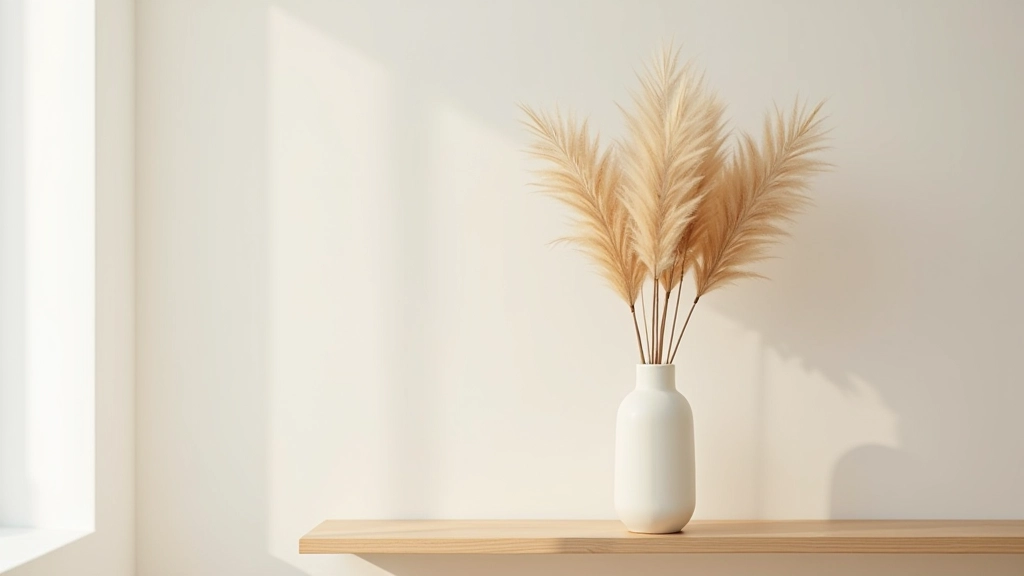
Practical tips for displaying ceramic vases with dried reeds throughout your home.
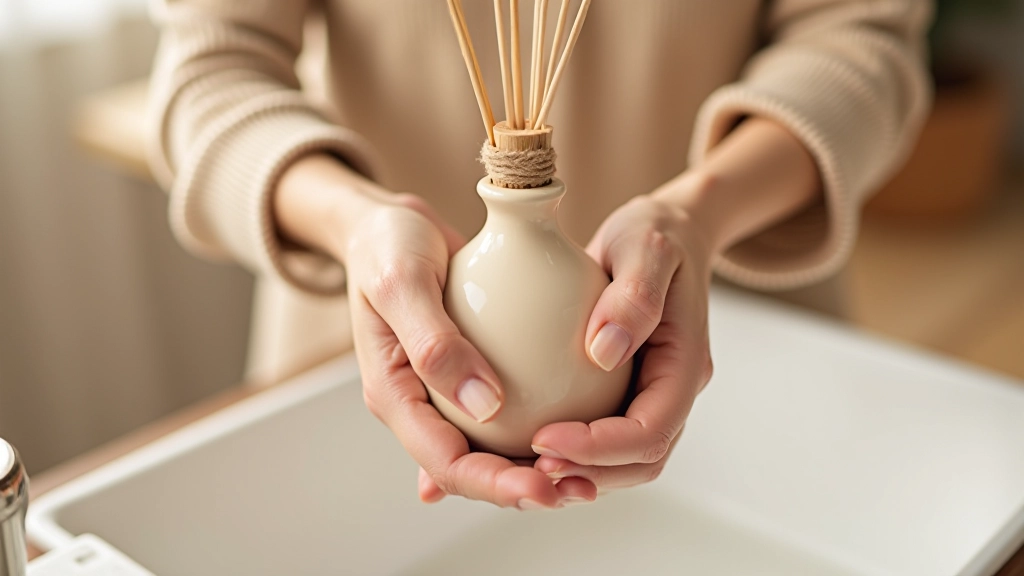
Keep your ceramic vases looking beautiful for years with simple care routines.