
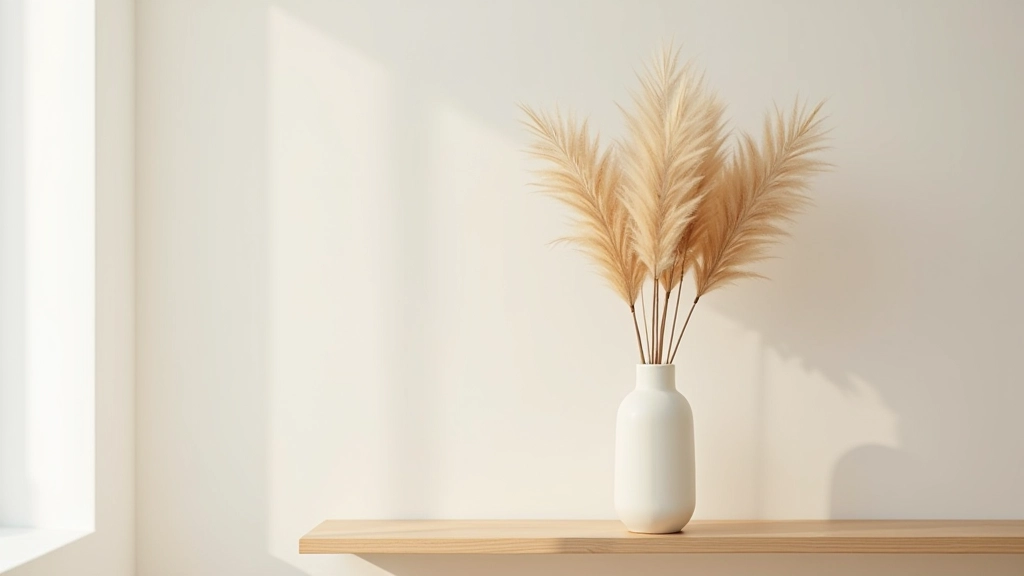
Styling Your Space: Vase and Reed Arrangements
Practical tips for displaying ceramic vases with dried reeds. We'll show you the most effective combinations and placement ideas for different room styles.
Explore the traditional hand-throwing techniques used by kormcroft ceramicists. Learn what makes handmade vases unique and durable.

Author
Written by the kormcroft Editorial Team, focused on honest, practical information about handmade ceramics and dried reed décor.
Creating a ceramic vase isn't just about shaping clay. It's a blend of technique, intuition, and years of practice. When you hold a handmade vase, you're holding something that carries the maker's skill and attention through every curve and wall thickness.
Unlike mass-produced ceramics, each vase tells a story. The slight variations in glaze, the unique surface texture, the way light catches the rim — these aren't flaws. They're proof of the human hands that crafted it. We'll walk you through the entire process, from the first lump of clay to the finished piece sitting on your shelf.
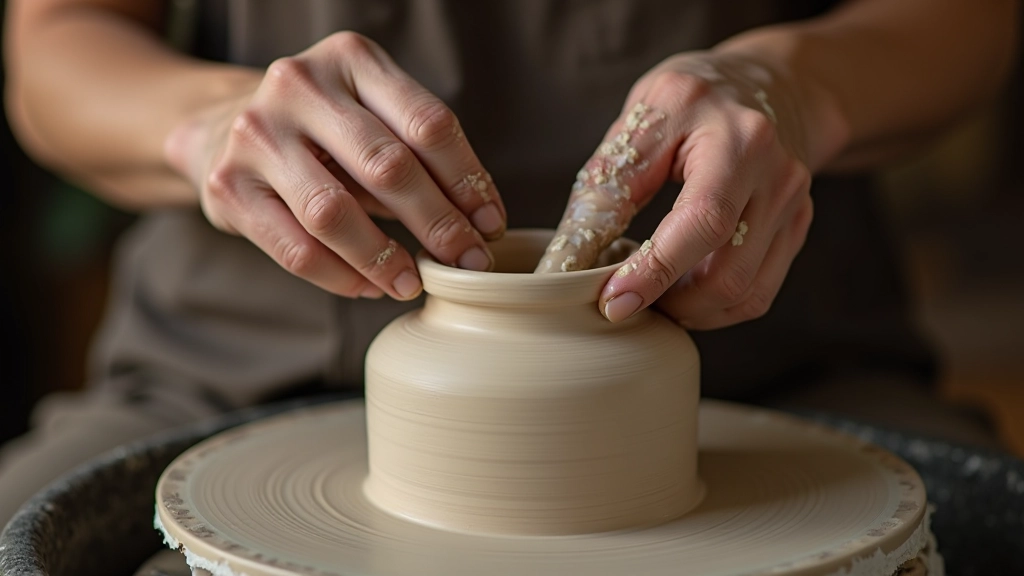
The pottery wheel is where most vases start their life. A ball of clay — typically 2 to 4 kilograms depending on the final size you want — gets centered on the spinning wheel. Centering is the hardest part for beginners. If your clay isn't perfectly centered, the walls will be uneven and the whole piece falls apart.
Once centered, the potter opens the clay from the top, creating a hollow space. The walls get gradually thinned by carefully pulling upward and outward. Too aggressive? The clay tears. Too cautious? The walls stay thick and heavy. Most vases spend 3 to 5 minutes on the wheel. The whole process is muscle memory mixed with real-time adjustment.
Pro tip: Wall thickness matters. Ideally around 4-6mm for a finished piece. Too thin and the vase becomes fragile. Too thick and it feels clumsy.
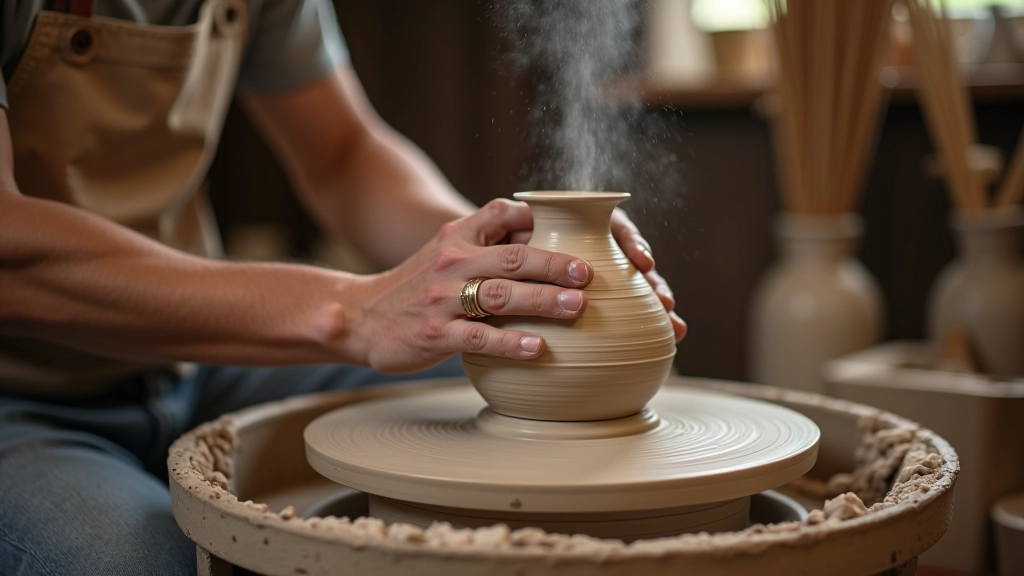
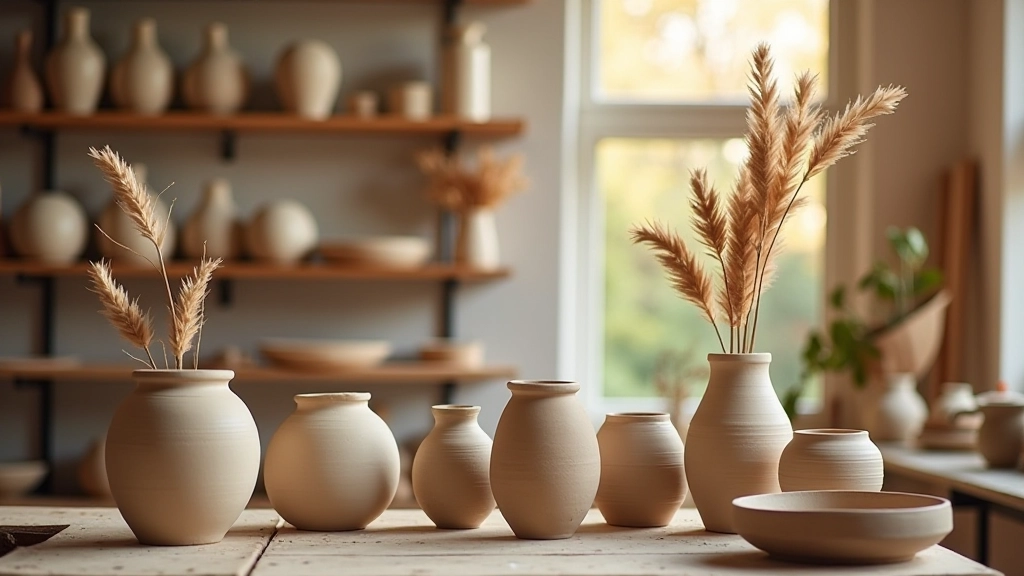
After the wheel stops, the real waiting begins. Vases can't go straight into the kiln — they need to dry slowly and evenly. Rush this and you'll get cracks or warping. Most potters leave pieces to dry for 5 to 10 days, depending on thickness and humidity.
The piece goes from wet clay to leather-hard (still slightly damp but holdable), then completely bone-dry. During this time, the vase shrinks about 10-15%. That's why measuring the wet piece doesn't match the final size. Some ceramicists smooth the rim during the leather-hard stage — when the clay's firm enough to hold detail but still workable.
Temperature and airflow matter. A studio that's too warm will dry the outside faster than the inside, causing stress and cracks. Good air circulation without direct drafts is ideal.
This article provides educational information about ceramic vase crafting techniques. The processes and timelines described are general guidelines based on traditional pottery methods. Individual results vary depending on clay type, studio conditions, equipment, and experience level. Always consult with experienced potters or ceramics instructors for hands-on training. This guide is informational and doesn't replace professional ceramic instruction.
Once completely dry, the vase enters the kiln for the first firing — called bisque firing. This happens at around 1000°C and takes 8-12 hours depending on the kiln size. The clay becomes porous and permanent at this point. You can't dissolve it in water anymore.
After bisque firing, the vase is ready for glaze. This is where color and finish come in. Glazes are applied by dipping, brushing, or spraying. The glaze sits on the clay like a thick coating. Then comes the second firing at a higher temperature — usually 1200°C for stoneware or 1260°C for porcelain. The glaze melts and fuses to the clay surface, creating that smooth, glass-like finish.
The whole firing cycle takes 24-48 hours. When the kiln cools down, you finally see the finished piece. Sometimes the glaze behaves differently than expected — colors shift, pooling happens at the base, surfaces develop texture. That's part of the charm.
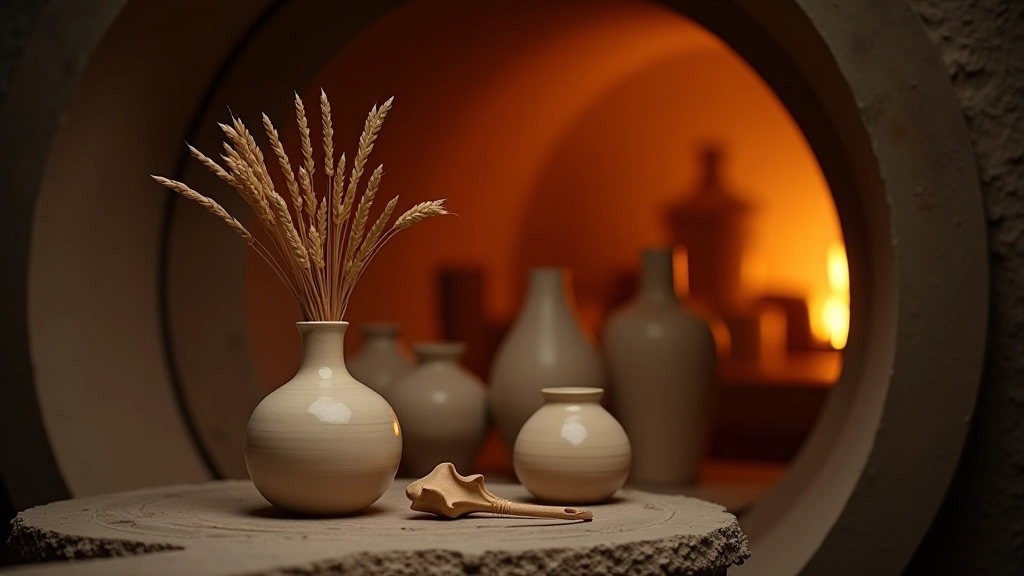
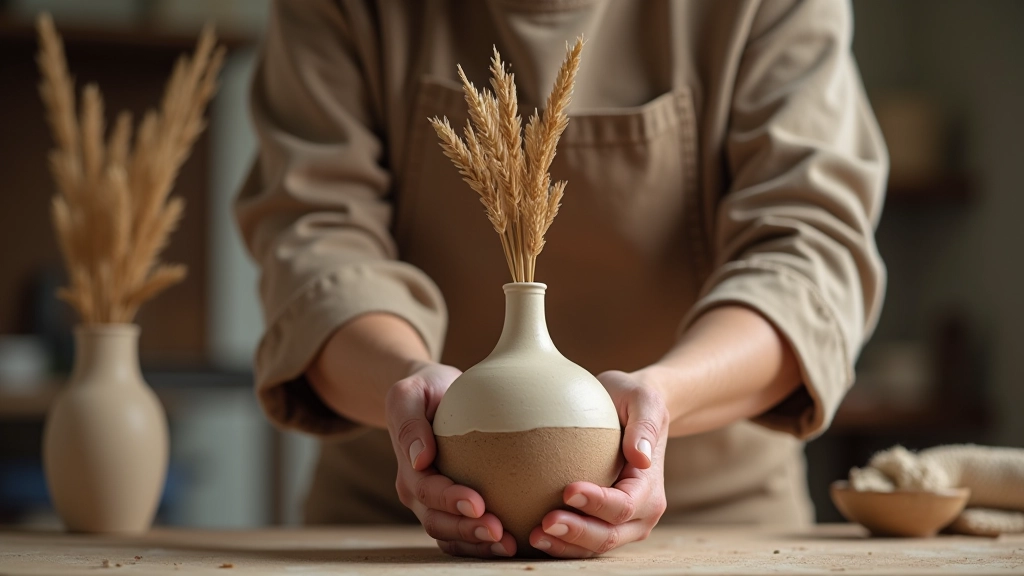
Every handmade vase gets individual attention. A ceramicist checks wall thickness, examines the glaze for cracks or imperfections, tests stability. If something's off, they know it immediately. Factory production moves too fast for this kind of care.
The materials matter too. Quality potters source clay with good workability — clay that centers well and holds detail. They mix their own glazes or carefully select pre-made ones. They understand how temperature affects the final result. A piece that spends weeks of attention — from clay selection through firing — is fundamentally different from something mass-produced in days.
You'll notice durability. A well-made ceramic vase won't chip easily. The glaze bonds properly to the clay body. The piece holds water without leaks. These aren't accidents — they're results of proper technique applied consistently.
Ceramic vase crafting isn't quick or easy. It's a process that rewards patience and practice. From centering clay on the wheel to waiting for the kiln to cool, every step matters. That's why when you finally place a handmade vase on your shelf, it feels different. You're not just looking at a decorative object — you're looking at someone's skill, time, and intention.
Understanding the craft helps you appreciate what you're buying or receiving. You'll notice the smooth walls, the carefully chosen glaze color, the subtle variations that prove human hands made it. And you'll know why handmade ceramics last for years, becoming part of your home's story rather than just temporary décor.
Practical tips for displaying ceramic vases with dried reeds. We'll show you the most effective combinations and placement ideas for different room styles.
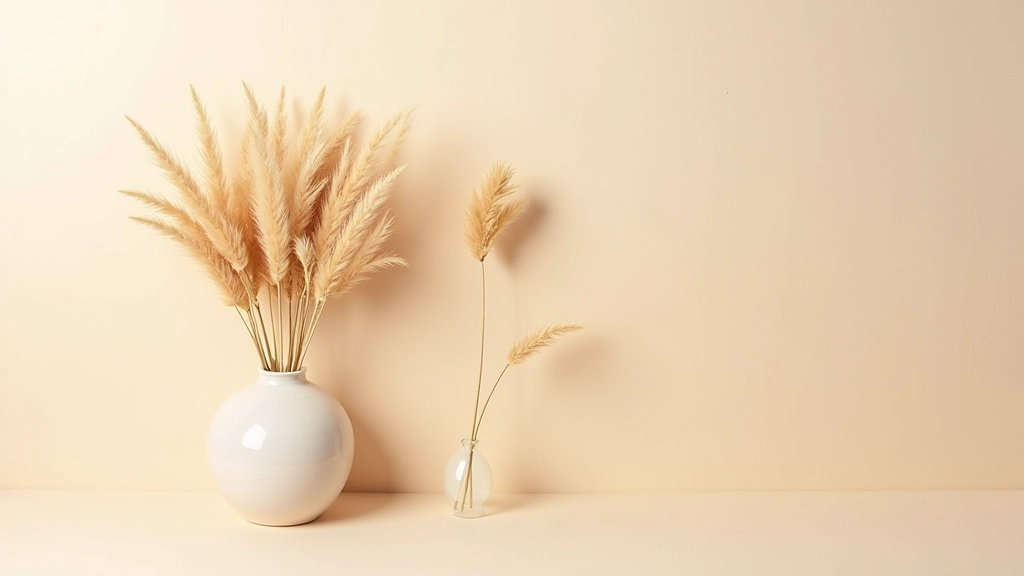
Not all dried reeds are the same. We break down pampas varieties, stem thickness, and what to look for when choosing quality bundles for your arrangements.
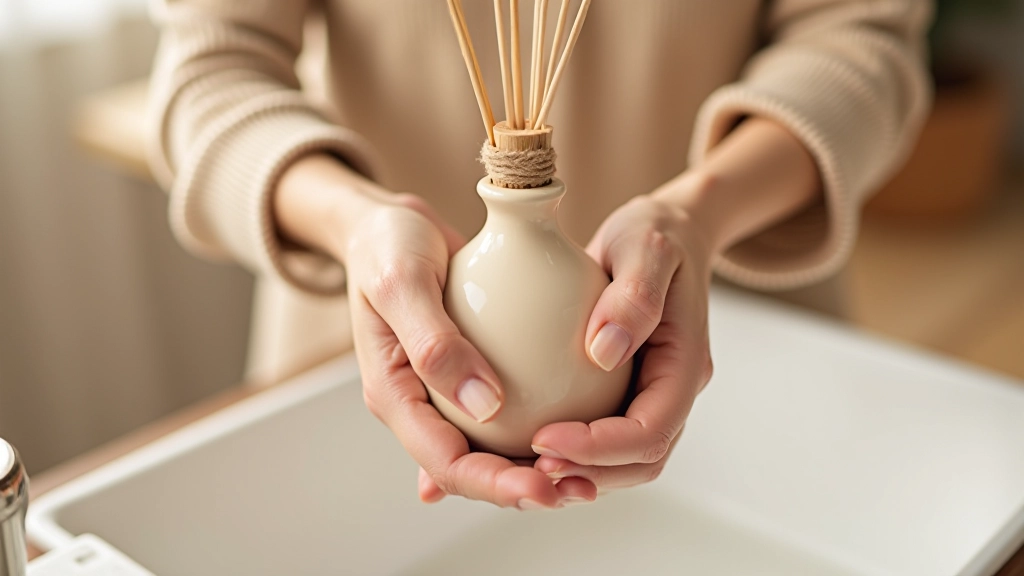
Keep your ceramic vases looking beautiful for years. Simple care routines that protect the glaze and extend the life of your handmade pieces.